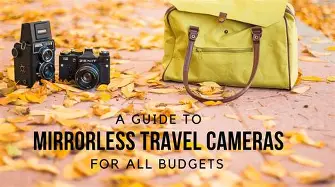
The Ultimate Setup Guide for Your Mirrorless Travel
Introduction
In the world of modern photography, traveling with a bulky DSLR can often feel more burdensome than it's worth. Enter the era of Mirrorless Travel cameras—devices specifically engineered to balance high-end image quality with portability, versatility, and ease of use. Whether you're capturing architectural marvels in Europe, breathtaking landscapes in New Zealand, or spontaneous street photography in bustling Asian cities, a mirrorless camera is a traveler's quintessential companion.
This guide provides a comprehensive look at how to select, configure, and maximize the Mirrorless Travel camera for your adventures. It covers in-depth product analysis, practical use cases, a balanced list of pros and cons, comparative insights, and a hands-on buying guide to ensure you choose a camera that fits your style and needs.
What Is a Mirrorless Travel Camera?
A Mirrorless Travel camera is a compact, interchangeable-lens camera that captures images using a digital sensor, omitting the use of a mechanical mirror found in DSLR systems. This design leads to a smaller and lighter body, making it the perfect candidate for travelers seeking to reduce baggage weight while maintaining photographic flexibility and outstanding image quality.
Today's mirrorless travel cameras are equipped with features that cater to both amateur enthusiasts and passionate professionals: fast autofocus, high ISO ranges for low light, 4K video capabilities, Wi-Fi/Bluetooth connectivity, and intuitive touchscreen interfaces. Their electronic viewfinders (EVFs) rival the traditional optical counterparts, delivering a “what you see is what you get” shooting experience.
Detailed Analysis: The Mirrorless Travel Experience
Portability and Build Quality
One of the core strengths of a mirrorless travel camera lies in its build. The absence of a mirror box not only means less weight but also a reduction in size, allowing these cameras to fit easily into a daypack or even a jacket pocket. Premium models employ magnesium alloy chassis with weather sealing, protecting your gear from dust and light rain—a common concern for landscape shooters and outdoor travelers.
Image Quality
Despite the condensed form, mirrorless travel cameras deliver exceptional image results, often rivaling or surpassing entry-to-mid-level DSLRs. APS-C and full-frame sensors are common, enabling stunning clarity, dynamic range, and high-resolution output. For those focusing on travel blogs, social sharing, or print publication, this hardware is more than capable of meeting professional demands.
Lens Ecosystem
Modern mirrorless systems provide access to a growing arsenal of lenses—from ultra-wide zooms perfect for urban landscapes to compact primes for portraits and low-light venues. Adapters also allow the use of vintage and DSLR glass, offering flexibility and affordability for those upgrading from another system.
Autofocus and Performance
Speed matters when traveling—moments happen in an instant. Mirrorless cameras often feature on-sensor phase-detection autofocus, subject and eye tracking, and continuous shooting at rapid frame rates. Users can confidently capture fleeting wildlife, lively markets, or energetic city scenes with remarkable precision.
Discover deals on Electronics — updated daily.
See Deals →Connectivity and Sharing
Modern mirrorless travel cameras simplify the process of sharing memories. Built-in Wi-Fi and Bluetooth enable quick image transfer to smartphones or tablets for social sharing or cloud backup. For travel content creators, some models offer direct live streaming and remote control via companion apps.
Real-World Use Cases: What Travelers Care About
- Lightweight Packing: Solo travelers and hikers appreciate cameras that won’t add noticeable weight to a carry-on or backpack.
- Versatile Shooting: Travel itineraries change—a single mirrorless body paired with a quality zoom lens can handle landscapes, portraits, and street scenes without the need for multiple bodies or excessive lens swaps.
- Low Light Performance: Urban explorers and those photographing dawn or dusk crave high ISO capabilities and effective in-body image stabilization for blur-free images without a tripod.
- Fast Sharing: Digital nomads and travel bloggers require cameras that easily integrate with their mobile workflow for on-the-go uploads.
- Longevity: Those embarking on extended trips value robust battery life, weather sealing, and durable controls.
Pros & Cons of Mirrorless Travel Cameras
- Pros:
- Compact and lightweight—ideal for minimalist travel
- Excellent image and video quality (often 4K/6K)
- Advanced autofocus and subject tracking features
- Silent shutter options for unobtrusive shooting
- In-body image stabilization on many models
- Growing selection of native and compatible lenses
- Easy wireless connectivity and sharing capabilities
- Touchscreen interface with intuitive controls
- Cons:
- Shorter battery life than many DSLRs (but improving rapidly)
- Smaller bodies can feel less ergonomic with large lenses
- High-end lens selection may be pricier or more limited in niche focal lengths
- Menu systems can be complex for beginners
- Electronic viewfinders can drain batteries faster than optical counterparts
Comparison Table: Mirrorless Travel vs. DSLR vs. Smartphone Cameras
| Feature | Mirrorless Travel | DSLR | Smartphone |
|---|---|---|---|
| Weight & Size | Light, compact | Bulky, heavy | Ultra-compact |
| Image Quality | Excellent (APS-C/full-frame sensors) | Excellent (APS-C/full-frame sensors) | Good (limited by sensor size) |
| Lens Options | Wide and growing selection | Extensive selection | Fixed lens, digital zoom only |
| Autofocus Speed | Fast with subject tracking | Fast with phase detection | Fast, but limited for creative control |
| Manual Controls | Comprehensive (dials, touch, apps) | Comprehensive (dials, buttons) | Limited (software interface) |
| Video Capabilities | 4K/6K, slow-motion, mic input | HD/4K, limited in older models | 4K, basic manual features |
| Battery Life | Mid (200–500 shots per charge) | High (800–1200 shots per charge) | High (quick charge, power banks) |
| Sharing/Ease of Transfer | Easy (Wi-Fi, Bluetooth, apps) | Less direct (card reader, cable) | Instant (direct to social media) |
| Learning Curve | Moderate (user-friendly modes available) | Steep for beginners | Very easy |
| Price Range | $$–$$$ | $$–$$$ | $–$$ |
Buying Guide: Key Considerations for Mirrorless Travel Cameras
1. Sensor Size
APS-C sensors strike a great balance for travel—larger than Micro Four Thirds, offering better low-light performance while maintaining manageable body and lens sizes. Full-frame models elevate image quality but involve larger, heavier (and oftentimes pricier) lenses and bodies.
2. Lens Compatibility
Consider whether you'll build a kit with native glass or plan to adapt lenses from another system. If starting fresh, prioritize camera lines with a robust ecosystem of lightweight primes and versatile zooms. Travelers often gravitate toward 16–50mm or 18–135mm “walk-around” lenses.
3. Battery Life
Frequent shooters should note that compact form factors yield smaller batteries compared to DSLRs. Always pack spare batteries or a portable charger, especially for long days away from outlets or on multi-day excursions.
4. Size and Ergonomics
Visit a retailer or camera shop if possible and handle different models. Some travelers with larger hands may prefer cameras with deeper grips or attachable handgrip accessories. Ergonomic comfort can make a long day of shooting far less fatiguing.
5. Weather Sealing and Build
If you’ll be hiking in inclement weather, trekking deserts, or working near the ocean, weather-sealed bodies and lenses are worth the extra investment. They offer peace of mind and can extend the life of your equipment.
6. Autofocus and Subject Tracking
Look for the latest autofocus systems offering eye detection, subject recognition, and rapid continuous focusing. These features are invaluable for travel photography, especially for shooting festivals, wildlife, sports, or children.
Looking for the best Electronics deals on Amazon?
Shop Amazon →7. Connectivity Features
Integrated Wi-Fi/Bluetooth features are essential for transferring images quickly, backing up memories to the cloud, or remotely controlling the camera when taking group shots or time-lapses.
8. Video Features
If vlogging or video documentation is important, look for 4K video, microphone/headphone inputs, articulating screens, and in-body stabilization, which reduces the need for extra gimbals or tripods.
Who Should Choose a Mirrorless Travel Camera?
A mirrorless travel camera is the ideal companion for:
- Backpackers and solo travelers seeking to minimize gear weight
- Bloggers, vloggers, and content creators who need high-quality stills and video
- Enthusiasts looking to upgrade from smartphones without the bulk of a DSLR
- Professionals needing a discreet, reliable travel kit as a backup or for street and documentary work
Accessories Worth Packing
- Lightweight Tripod: For long exposures, low-light photography, and video
- Multi-purpose Zoom Lens: Covers the majority of travel scenarios
- Fast Prime Lens: For portraits, food photography, and low-light events
- Spare Batteries and Charger: Essential for extended shooting sessions
- ND and Polarizing Filters: Useful for daylight landscapes and water
- Weatherproof Bag: Protects your camera when on the move
- Cleaning Tools: Lens pen, microfiber cloths, and air blower to maintain kit
Conclusion
The Mirrorless Travel camera embodies the best of both worlds: DSLR-level image quality with inconspicuous design and advanced features tailored for the demands of modern travelers. Selecting the right model involves balancing sensor size, lens ecosystem, battery life, and ergonomics to meet personal preferences and journey objectives.
With a smart setup, the right selection of compact lenses, and a few well-chosen accessories, a mirrorless travel camera can elevate the memories you capture—from bustling urban streets to serene mountain vistas. The ever-evolving mirrorless landscape promises that travelers need not compromise between creativity and convenience on the road.