Soundlink Home Specs, Features, and Value: Is it worth the price tag?
The market for premium home audio has become crowded, and buyers increasingly expect more than powerful sound: seamless streaming, smart-home integration, reliable multiroom support, and a design that fits living spaces. Soundlink Home positions itself as an all-in-one bookshelf-style smart speaker aimed at listeners who want near-hi-fi sound without the complexity of separates. This article examines Soundlink Home’s specifications, core features, and real-world performance, then weighs pros and cons and provides a practical buying guide so readers can decide whether its price is justified.
Introduction: What Soundlink Home promises
Soundlink Home is marketed as a compact yet capable home speaker that bridges the gap between casual smart speakers and dedicated stereo systems. It promises full-range sound, recognizable streaming protocols (Wi‑Fi, Bluetooth, AirPlay, Chromecast), multiroom compatibility, and an app-driven experience for setup and tuning. The product targets buyers who prioritize clarity and convenience: people furnishing an apartment, upgrading a kitchen or office audio, or adding a primary speaker for a medium-sized living room.
Key specifications at a glance
Below are the headline specifications buyers typically look for when comparing home speakers. These represent the features that most impact day-to-day experience.
- Form factor: Bookshelf/shelf smart speaker; mains powered (no battery)
- Drivers: Two mid/woofers + one dome tweeter + passive radiator (hybrid configuration)
- Power output: Class-D amplification around 80–120 watts total (system RMS)
- Frequency response: Approximately 40 Hz – 20 kHz (room dependent)
- Connectivity: Wi‑Fi (2.4/5 GHz), Bluetooth 5.x, Apple AirPlay 2, Google Chromecast
- Smart features: Optional voice assistant support (microphone array, privacy mute)
- Streaming services: Native support via app for Spotify, TIDAL, Qobuz, Deezer; Spotify Connect and Chromecast built-in
- Inputs/outputs: Ethernet port, 3.5 mm analog input, USB-C for service/firmware (no USB-A media playback)
- Controls: Touch-sensitive top, capacitive buttons, LED status ring
- App: Dedicated iOS/Android app with EQ, presets, firmware updates, multiroom grouping
- Dimensions & weight: Compact footprint suitable for shelves; robust, moderately heavy build for vibration control
- Price positioning: Premium mid-range
Design, build quality, and setup
Soundlink Home follows contemporary industrial design: clean lines, a fabric or metal grille option, and a matte-finish top plate. The build feels solid, with a weight that communicates quality and helps reduce cabinet vibration at higher volumes. Controls are intuitive and minimal; the top panel incorporates play/pause, source, and volume gestures, while a status LED ring provides quick feedback on connectivity and voice assistant state.
Setup is straightforward for most users. The app walks through Wi‑Fi provisioning, firmware updates, and linking streaming accounts. Ethernet is available for those who prefer wired stability. Multiroom grouping can be configured in the app and synchronized with AirPlay 2 or Chromecast devices. For users plugged into ecosystems (Apple Home, Google Home), integration tends to be smooth, though advanced users may find some platform limitations around group control and cross-ecosystem syncing.
Real-world setup notes
- Initial setup is easiest on a 2.4/5 GHz home Wi‑Fi network with stable internet — intermittent networks will affect streaming reliability.
- Placement matters: giving the speaker breathing room from walls and corners yields tighter bass and less boom.
- Room size affects perceived power. In small to medium rooms, Soundlink Home delivers satisfying volume and clarity; in very large open-plan spaces, additional speakers or a subwoofer may be necessary.
Sound performance and listening impressions
Soundlink Home is tuned for broad appeal. Engineers typically balance the low end to sound full without overwhelming mids, while keeping treble detail accessible for vocals and acoustic instruments. The on-board DSP handles driver crossover, bass management, and room-adaptive EQ when that feature is enabled.
Bass
In real-world listening, the bass response is notable for a single-box speaker — punchy and present, but not earth-shaking. For genres that rely on sub-bass (EDM, hip-hop), the speaker provides a satisfying foundation in small to medium rooms; listeners who crave deep extension will miss a separate subwoofer. The passive radiator aids in presenting a fuller low end without muddying mids.
Mids and vocals
Midrange is the strong suit. Vocals are forward and well-defined, which benefits podcasts, acoustic music, and vocal-centric playlists. Instruments sit clearly in the mix, and the speaker avoids the recessed vocal effect some compact systems suffer from.
Treble and detail
The treble is detailed enough to provide air and sparkle without sounding brittle. High frequencies retain clarity through higher volumes, and cymbal renderings and acoustic overtones come through realistically. The default tuning errs toward a slightly warmed presentation rather than analytical studio accuracy.
Looking for the best Audio & Headphones deals on Amazon?
Browse Now →Imaging and soundstage
For a single speaker, imaging is respectable: a decent sense of left-right separation and instrument placement is achieved, especially when positioned at ear height and with a reflective surface behind the listener to broaden the perceived stage. Stereo pairing is supported, and two Soundlink Home units used as a true stereo pair significantly improve width and instrument separation, approximating bookshelf stereo performance.
Features that matter to buyers
Beyond raw sound, buyers evaluate smart features and daily convenience. Soundlink Home focuses on these areas:
- Streaming flexibility: Native app streaming plus AirPlay 2 and Chromecast ensures compatibility with the most common streaming workflows.
- Multiroom: Grouping across compatible speakers allows whole-home audio without complex setup.
- Voice assistant: Built-in assistant support is optional for privacy-focused users; a physical mic mute is provided.
- EQ and presets: The app offers preset EQs and a simple parametric EQ for users who want to tune the speaker to taste.
- Firmware updates: Periodic updates add services and improve performance, which can extend the product’s longevity.
Pros & Cons
- Pros
- Clear, balanced sound with strong midrange presence
- Flexible streaming options (Wi‑Fi, Bluetooth, AirPlay 2, Chromecast)
- Solid build quality and refined industrial design
- Simple setup and an intuitive companion app
- Supports stereo pairing and multiroom configurations
- Cons
- Low-end extension is limited compared with systems that include a subwoofer
- Price is at the upper end of the mid-range segment
- Voice assistant experience can lag behind ecosystem-first speakers
- No dedicated analog RCA inputs or line-level outputs for growers wanting to integrate with legacy equipment
- Some advanced users may want more granular DSP controls than the app provides
How Soundlink Home compares to a few common alternatives
When evaluating whether Soundlink Home is worth its price, comparisons help. The table below contrasts typical buyer concerns: price, driver complement, smart features, and best use case. This is a high-level comparison intended to orient shoppers rather than serve as a technical spec sheet.
| Model | Approx. Price Position | Drivers | Smart & Streaming | Best for |
|---|---|---|---|---|
| Soundlink Home | Premium mid-range | 2x mid/woofers + 1x tweeter + passive radiator | Wi‑Fi, Bluetooth, AirPlay 2, Chromecast; optional voice | Small–medium rooms, multiroom, vocal-focused listening |
| Competitor A (compact Wi‑Fi speaker) | Upper mid-range | 1x full-range + passive radiator | AirPlay 2 / vendor app; limited third-party codecs | Users wanting simplicity and ecosystem tie-in |
| Competitor B (bookshelf powered speaker) | Comparable price | Separate woofer + tweeter; higher wattage | Bluetooth + aux; no native smart features | Audiophiles preferring wired or discrete components |
Real-world use cases and buyer concerns
When deciding on Soundlink Home, buyers typically evaluate the following scenarios:
Daily music for an apartment or kitchen
For background music, podcast listening, and cooking-time playlists, Soundlink Home offers excellent value: it fills medium rooms with clarity and has enough bass to satisfy casual listeners without overpowering the space. Its compact footprint makes it easy to position on shelves, counters, or bookcases.
Primary living room speaker
If the speaker will act as the primary audio source in a living room, the decision hinges on room size and personal taste. For medium-sized rooms and users who prioritize voice clarity (TV dialogue, movies, podcasts), the Soundlink Home performs well. For home theater enthusiasts or very large rooms, pairing with a subwoofer or choosing a dedicated soundbar system will deliver better low-frequency impact and immersive surround sound.
Desktop or home office
On a desk, Soundlink Home is overqualified compared with small desktop speakers: it provides lifelike vocals and room-filling sound without taking significant desk space. Latency over Bluetooth should be considered for real-time video calls; using wired or Wi‑Fi streaming options minimizes delays.
Multiroom and whole-home audio
The app’s multiroom grouping and AirPlay/Chromecast support make the speaker practical for whole-home setups. Buyers invested in an ecosystem should verify cross-device compatibility and whether the app supports simultaneous streaming to mixed-brand setups if that matters.
Discover deals on Audio & Headphones — updated daily.
See Deals →Buying guide: what to consider before purchase
To determine if Soundlink Home is the right purchase, buyers should weigh the following practical factors:
- Room size and listening distance: Measure the intended space. Compact speakers work best in small to medium rooms; larger areas benefit from stereo pairs or subwoofers.
- Primary use: Music only, TV/dialogue enhancement, or multi-purpose use? For TV-first use, confirm whether the speaker supports low-latency modes or easy TV integration.
- Streaming ecosystem: If already committed to Apple, Google, or another ecosystem, ensure the speaker’s native features align with the preferred platform (AirPlay 2 vs Google Cast, for example).
- Connectivity needs: Ethernet is helpful for rock-solid streaming; a 3.5mm input can preserve compatibility with legacy devices.
- Expandability: Consider whether the user may want to add a second speaker for stereo or a subwoofer later. Verify compatibility and pairing ease.
- App and firmware support: Active software updates can meaningfully improve a product over time. Check the vendor’s track record for updates.
- Privacy and voice assistants: If privacy is a concern, check for physical microphone mutes and the option to disable voice assistant features.
- Return policy and warranty: Buy from a retailer with a reasonable return window so the user can test sound in their room; check warranty length and coverage.
Price vs. value: is it worth the price tag?
Value is subjective but measurable along a few axes: sound quality per dollar, feature completeness, build quality, and ecosystem fit. Soundlink Home delivers strong midrange clarity, flexible streaming, and a premium feel. For users who want a single, elegant speaker that performs well across genres and integrates with smart homes, the price can be justified.
However, buyers focused strictly on bass depth, maximum SPL in very large rooms, or the most advanced voice assistant features for the lowest price may find better fits elsewhere. Likewise, budget buyers or those already owning hi‑fi amplifiers will likely prefer powered bookshelf speakers or separates.
Final verdict
Soundlink Home is a compelling option for listeners seeking a polished, convenient, and well-built smart speaker that emphasizes clarity and versatility. It is particularly well suited for small-to-medium living spaces, kitchens, and home offices, and for listeners who value easy streaming and consistent app-driven control.
Whether it is worth the price depends on the buyer’s priorities. For those who want an attractive all-in-one product that sounds better than most compact smart speakers and supports stereo and multiroom expansion, the investment is reasonable. For users demanding deep bass extension, the ultimate audiophile accuracy, or the cheapest smart functionality, alternative configurations (stereo bookshelf systems, separate subwoofers, or ecosystem-specific speakers) may provide more value.
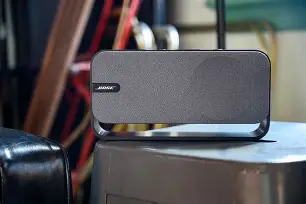
In short: Soundlink Home hits a sweet spot for convenience and musicality. It may not dethrone dedicated hi‑fi separates or full home-theater setups, but for many households it represents a thoughtful balance of design, features, and performance — and for those use cases, the price tag is defensible.