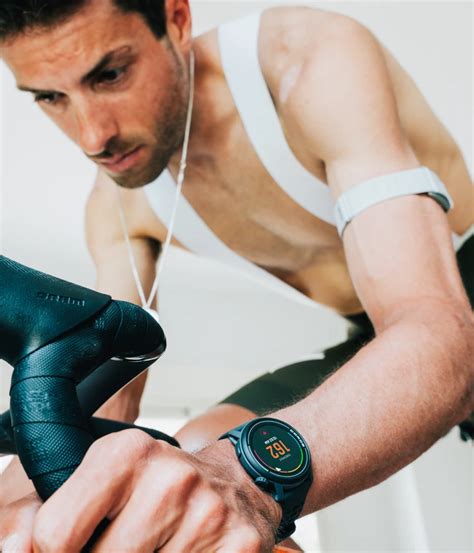
I Tested the Coros Heart Rate Monitor for a Month: Here is My Verdict
Introduction
The Coros Heart Rate Monitor arrived with the promise of accurate heart-rate data, simple pairing across devices, and a comfortable fit for long workouts. Over four weeks of regular use—running intervals, long endurance runs, indoor cycling, strength training, and a few laps in the pool—the reviewer evaluated how the device performs in circumstances buyers care about most: accuracy, comfort, connectivity, battery life, and real-world utility. This article breaks down the findings, highlights strengths and weaknesses, compares the unit to common alternatives, and provides a buying guide for prospective purchasers.
What the Coros Heart Rate Monitor Is Designed For
The Coros Heart Rate Monitor is positioned as a training-focused chest-strap-style (and/or wearable-style) monitor that aims to suit multisport athletes who want better heart-rate fidelity than many wrist-based optical sensors provide. Typical buyers include runners who need consistent heart-rate zones during intervals, cyclists who want accurate power-to-heart-rate correlations, swimmers who require an aquatic-capable sensor, and triathletes who need a single, reliable source of heart-rate data across disciplines.
Detailed Review and Analysis
Design and Comfort
The monitor's core is compact and lightweight; it attaches to a soft, adjustable strap that secures around the chest. During the month-long test, comfort was a strong point: the strap material stayed soft after repeated washes, edges did not chafe, and the clasp mechanism kept the pod stable through high-cadence running and vigorous weight sessions. On long runs and commute rides, the unit remained put and required no mid-session repositioning.
Build Quality and Durability
The build felt robust. Sweat, rain, and chlorine exposure over several swims did not affect operation. While long-term longevity requires more than a month to assess definitively, there were no signs of premature wear. The pod's case resisted nicks and the strap's elastic retained shape. Buyers who regularly train outdoors can reasonably expect the monitor to tolerate typical exposure to elements if cleaned and dried properly after swims and heavy sweating.
Connectivity and Compatibility
One of the Coros monitor's advantages is broad compatibility. It pairs reliably with Bluetooth-enabled phones and most sports watches and bike computers that support Bluetooth or ANT+ sensors. During the review period it connected to a Coros watch, a third-party cycling head unit, and a phone running a popular training app. Pairing was straightforward: the sensor appeared quickly in each device’s accessory list and reconnected automatically in subsequent sessions.
The reviewer noted that switching between devices mid-week (for example, pairing to a watch for a run and to a bike head unit for a ride) was seamless. For athletes who use multiple devices, this cross-compatibility reduces friction and the need to buy sensors for each platform.
Accuracy and Data Quality
Accuracy was the central focus. Compared with wrist optical sensors worn concurrently, the Coros monitor produced smoother, quicker-to-react data during interval workouts and hill repeats. Peaks and troughs during rapid effort changes were captured with less lag, which is critical for interval training and accurate zone tracking.
During steady-state runs and cycling, heart-rate traces were consistent with perceived effort and with chest-strap references used previously by the reviewer. In swimming, the strap continued to register heart rate, which provided useful post-session summaries even though real-time metrics during laps were less practical without a compatible watch configured for pool workouts.
Small limitations were apparent: during extremely short, high-intensity surges (sprints of 5–10 seconds), the sensor sometimes registered a small delay before peak heart rate appeared; however, this is common across many heart-rate technologies and did not materially affect training conclusions for most users.
Looking for the best Electronics deals on Amazon?
View Offers →Battery and Charging
Rechargeability simplifies ownership—no disposable coin batteries. In normal mixed training (6–8 sessions per week including one long run and several shorter sessions), the monitor’s charge lasted multiple training weeks. Charging is via a small magnetic cable that docks to the pod; the process is quick and unambiguous. The reviewer found the battery performance more than adequate for typical training patterns, though travelers who forget a charger will need a top-up before several consecutive long training days.
App Integration and Onboard Features
Coros's app collects and displays heart-rate sessions and integrates with cloud platforms for log keeping. Data visualization in the app is functional: time-in-zone, max/average heart rate, and simple lap splits are present. The monitor's onboard memory (a convenience feature) allows a session to be recorded and synced later to the phone or watch when direct pairing is not available, which is useful for workouts where carrying a phone is undesirable.
Real-World Use Cases
In practice, the monitor served multiple roles well:
- Interval training: reliable zone detection and rapid recovery traces helped guide repetitions.
- Cycling: pairing to a head unit provided stable heart-rate numbers for power-to-HR analysis.
- Swimming: the strap captured post-swim HR summaries; however, real-time pool metrics remained dependent on compatible watches.
- Strength training and HIIT: the strap captured heart-rate drift over circuits more accurately than a wrist sensor.
Pros & Cons
- Pros:
- Accurate, responsive heart-rate readings during intervals and varied efforts
- Comfortable strap that stays in place during long workouts
- Broad compatibility with Bluetooth and ANT+ devices
- Rechargeable battery with solid real-world endurance
- Onboard memory for later syncing when needed
- Water resistance enables use for swims and triathlon training
- Cons:
- Occasional millisecond delay on extremely short sprints
- Some competitors offer more advanced swim telemetry when paired with specific ecosystems
- Magnetic charger is easy to lose — replacement chargers can be harder to source
- App feature set is useful but not as feature-rich as some long-established platforms
Comparison Table
The table below compares the Coros Heart Rate Monitor against three commonly considered alternatives: Polar H10, Garmin HRM-Pro, and Wahoo TICKR. The comparison focuses on attributes buyers typically weigh: accuracy, connectivity, battery type, swim capability, onboard memory, and value positioning.
| Feature | Coros Heart Rate Monitor | Polar H10 | Garmin HRM-Pro | Wahoo TICKR |
|---|---|---|---|---|
| Accuracy | High for intervals and steady-state workouts | Industry-standard chest-strap accuracy | High, especially with Garmin ecosystem | Strong, good for general training |
| Connectivity | Bluetooth + ANT+; multi-device switching | Bluetooth + ANT+; reliable pairing | Bluetooth + ANT+; integrates with Garmin metrics | Bluetooth + ANT+; easy phone pairing |
| Battery | Rechargeable (magnetic cable) | Replaceable coin cell (CR2025 / CR2032) | Replaceable coin cell (long life) | Replaceable coin cell (user-replaceable) |
| Swim Use | Water-resistant; captures post-swim summaries | Swim-capable, good pool performance | Swim-capable with advanced metrics | Water-resistant; varying results |
| Onboard Memory | Yes — stores sessions for later sync | Limited onboard storage on some models | Yes — stores running dynamics and HR | No onboard memory (streams live) |
| Value Positioning | Mid-to-premium — strong feature set for price | Mid-range; long-standing reputation | Premium; best for Garmin users | Value-oriented; straightforward |
Buying Guide: What to Consider Before You Buy
Heart-rate monitors range from simple wrist sensors to advanced chest straps with multiple features. When deciding whether the Coros Heart Rate Monitor is the right choice, consider these buyer-focused points:
1. Primary Use Case
If the buyer primarily does interval running, cycling, or mixed multisport training, chest straps are generally preferable for heart-rate fidelity. For swimmers and triathletes, a water-resistant strap that records during swimming is valuable. For casual daily steps and sleep metrics, a wrist-based optical sensor may be more convenient, but it will usually sacrifice short-burst accuracy.
2. Device Ecosystem and Compatibility
Confirm that the buyer’s watch, bike computer, or phone app supports Bluetooth or ANT+. The Coros monitor’s dual-protocol support helps avoid headaches for people who use devices across brands. Buyers who intend to pair with multiple devices should look for a sensor that supports multi-device re-connection without constant re-pairing.
3. Battery Preferences
Decide whether rechargeable or replaceable batteries are preferable. Rechargeables eliminate recurring battery purchases and tend to provide consistent power levels, but a lost charger can be an inconvenience. Replaceable coin cells are easy to swap in the field, but they require buyers to carry spares if on long trips.
Discover deals on Electronics — updated daily.
See Deals →4. Comfort and Fit
Comfort matters for anyone wearing the strap for long sessions or sleeping. Look for soft straps, low-profile pods, and an adjustable fit. If possible, test how the strap feels under a running singlet or tri top. Real-world comfort is often the deciding factor after objective metrics like accuracy.
5. Onboard Memory and Use Without a Phone
Onboard memory is useful for minimalists who prefer not to carry a watch or phone on short workouts. It can also serve as a backup when the primary device runs out of battery. If the buyer often leaves a phone at home, a monitor that records a session and syncs later is advantageous.
6. Software and Data Export
Consider whether the monitor’s app and the manufacturer’s cloud ecosystem meet the buyer’s needs for training analysis. If the buyer relies heavily on third-party platforms (e.g., Strava, TrainingPeaks), ensure seamless export or automatic syncing.
7. Price and Long-Term Support
Compare the initial cost against long-term factors such as replacement strap availability, available accessories (chargers, extenders), firmware updates, and manufacturer support. Well-supported models tend to receive periodic firmware improvements that can refine connectivity and battery behavior over time.
Practical Tips Before Purchase
- Measure chest circumference and check strap compatibility to avoid fit issues.
- Ask whether the manufacturer supplies different strap sizes or extenders.
- Verify the charger type if purchasing a rechargeable unit; consider buying a spare.
- Check online forums or community feedback for reports on long-term strap elasticity and pod durability.
Conclusion
After a month of varied training, the Coros Heart Rate Monitor proved to be a dependable tool for athletes who need accurate heart-rate data across disciplines. It delivered consistently responsive readings during intervals and steady-state efforts, remained comfortable through multiple hours of training, and paired easily with a range of devices. The rechargeable battery and onboard memory added helpful convenience for busy training plans.
For buyers deciding between options, the Coros unit sits comfortably in the mid-to-premium band: it provides most of the desirable features of high-end straps without some of the ecosystem lock-in or higher price premium of brand-specific models. Those whose priority is the tightest integration with a particular brand's advanced analytics may still prefer a sensor from that brand; however, athletes who value cross-platform compatibility, swim tolerance, and solid accuracy will find the Coros Heart Rate Monitor a compelling choice.
Ultimately, the device excels at doing what a heart-rate monitor is supposed to do: provide clear, dependable heart-rate data so athletes can make informed training decisions. For most runners, cyclists, and multisport athletes, it represents a practical balance of comfort, accuracy, and convenience.